


About Huozhou
Explore the historical heritage, tourism charm, and resource gifts of Huozhou
- About Huozhou
From the Millennium Coal Sea to the Cradle of Humic Acid Industry
Nestled in the northeastern part of Linfen, Shanxi, along the middle reaches of the Fenhe River, this land stands as a key transportation hub in southern Shanxi. Known as "one of China's coal capitals," a "millennium-old county" and a "national-level historical and cultural city," it boasts a profound heritage intertwined with abundant resources.
Endowed with vast reserves of high-quality steam coal and coking coal, the coal resources here are widely distributed and easily exploitable, forming a "millennium coal sea" that has nurtured the region for generations. Beyond the valuable coal itself, this rich coal ecosystem has also given birth to superior humic acid resources—a precious derivative of coal. The unique geological conditions and long-term coal formation process have endowed the area with natural advantages in humic acid development, laying a solid foundation for its transformation from a coal-rich land to the cradle of the humic acid industry.
- History
Cultural heritage of Huozhou
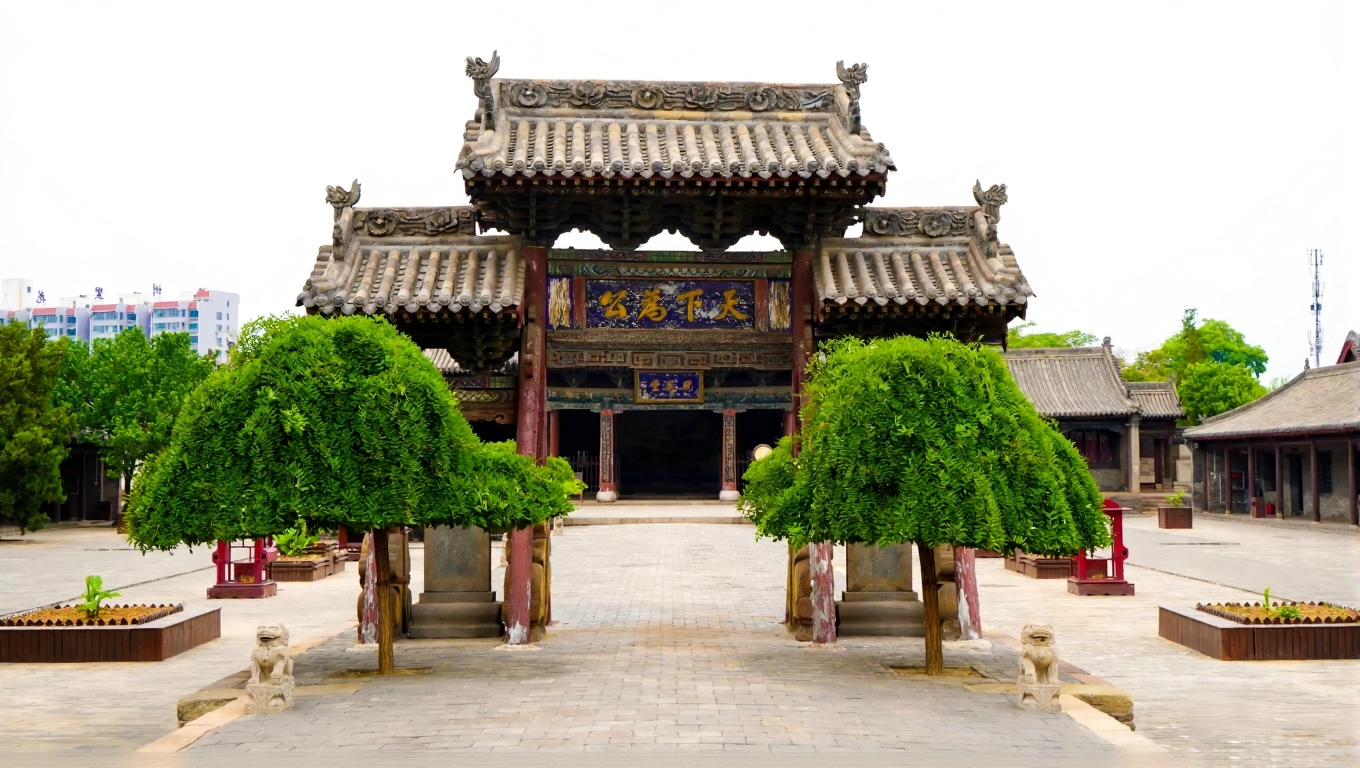
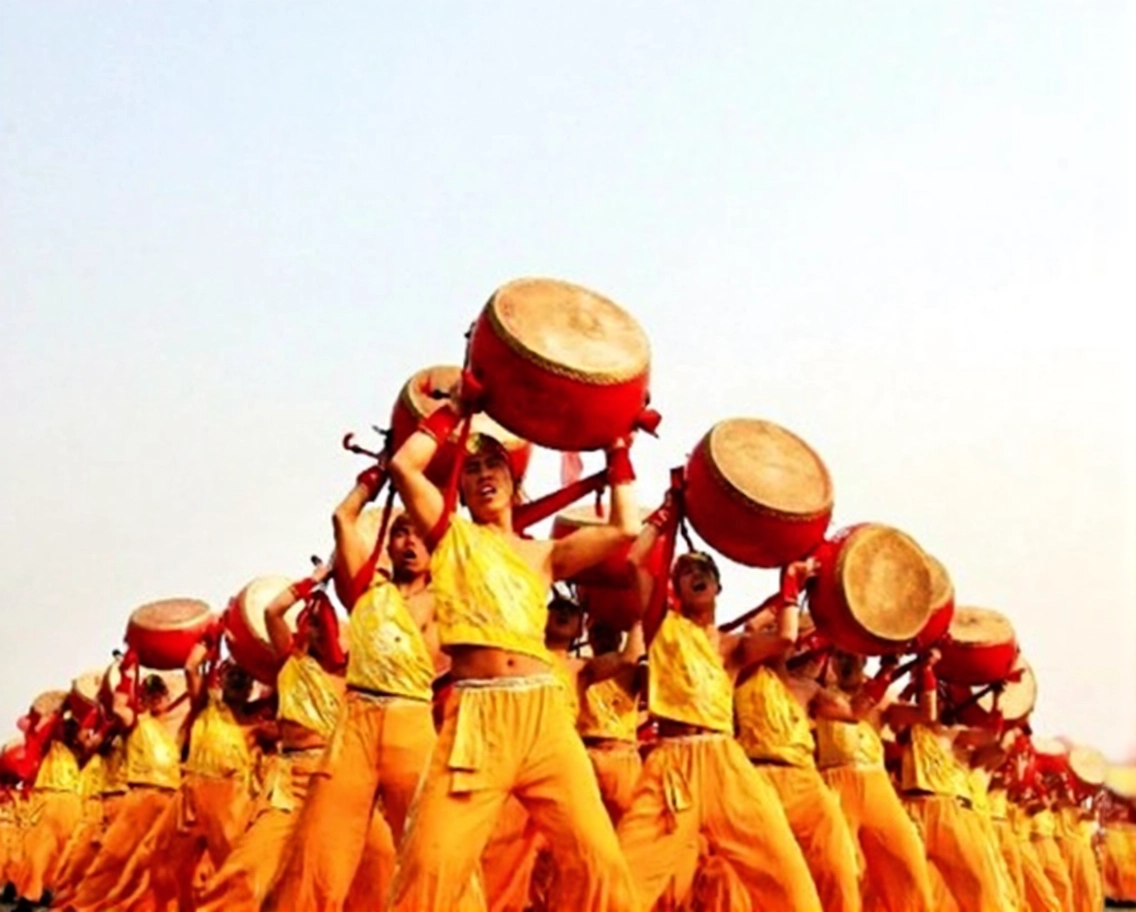
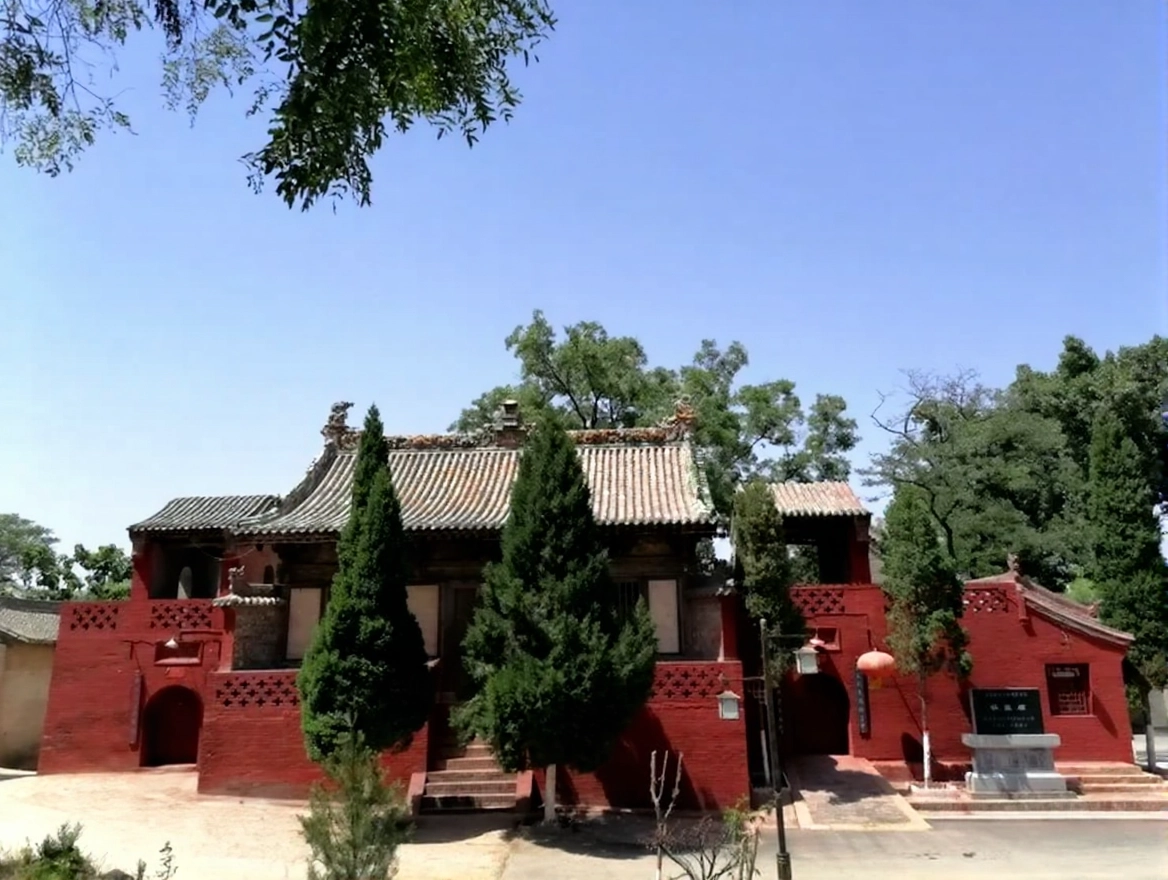
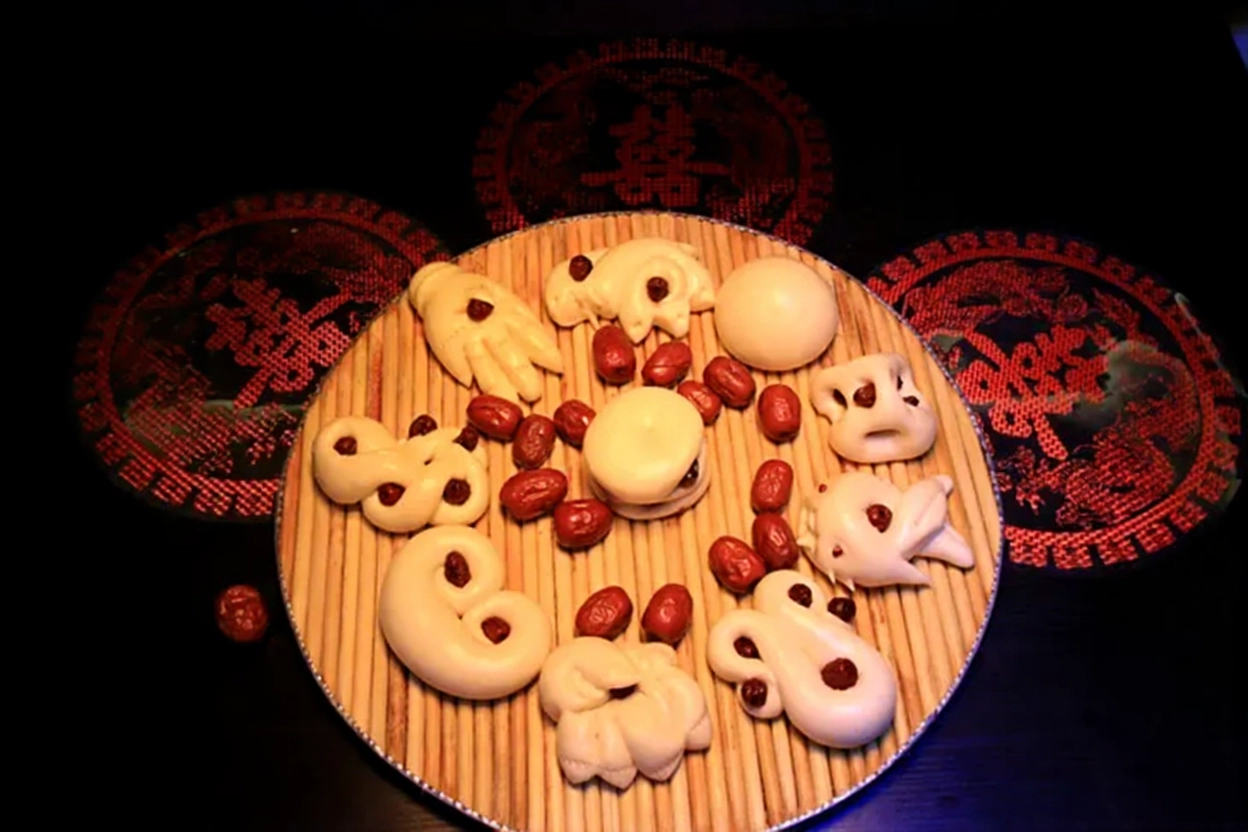
This land shines with rich cultural treasures and a coal-linked legacy. It is home to the Huozhou Government Office—the only well-preserved ancient prefectural government building in China, hailed as one of the "Three Great Ancient Official Yamen of China" alongside the Forbidden City and the Confucius Temple—and the Wa Huang Temple, a Song Dynasty structure that carries folk customs. Its intangible cultural heritages are equally vivid: the powerful Weifeng Gongs and Drums symbolize the spirit of coal miners, while Huozhou dough sculpture incorporates unique coal culture elements. As a thriving "dry dock" during the Ming and Qing dynasties, it flourished thanks to coal transportation, with coal trade fostering a vibrant commercial culture that endures to this day.
- Travel
Landscape and Culture
A Huozhou journey blending landscapes, culture and industry awaits: explore cultural relics like the Huozhou Government Office, the Drum Tower and Qianfo Cliff (a Northern Wei grotto complex); immerse in natural ecology with Qili Valley (a national forest park boasting "black-green integration" with coal mining areas) and the secluded Taotang Valley; and dive into industrial research through a coal mine museum displaying mining history and visits to modern mines that explain the link between coal and humic acid.


- History
Cultural heritage of Huozhou
Huozhou City boasts superior coal resources with high organic matter content and low sulfur, providing top-tier raw materials for humic acid extraction. As a natural organic substance in coal—especially lignite and weathered coal—humic acid thrives on Huozhou’s abundant reserves, including around 8 billion tons of the world’s largest leonardite deposits. Leveraging this advantage, the city has built a complete humic acid industrial chain, with seamless connection between coal processing and extraction driving green circular economy. If you’re in need of high-quality humic acid, contact us immediately—we offer reliable supply backed by world-class resources!


